

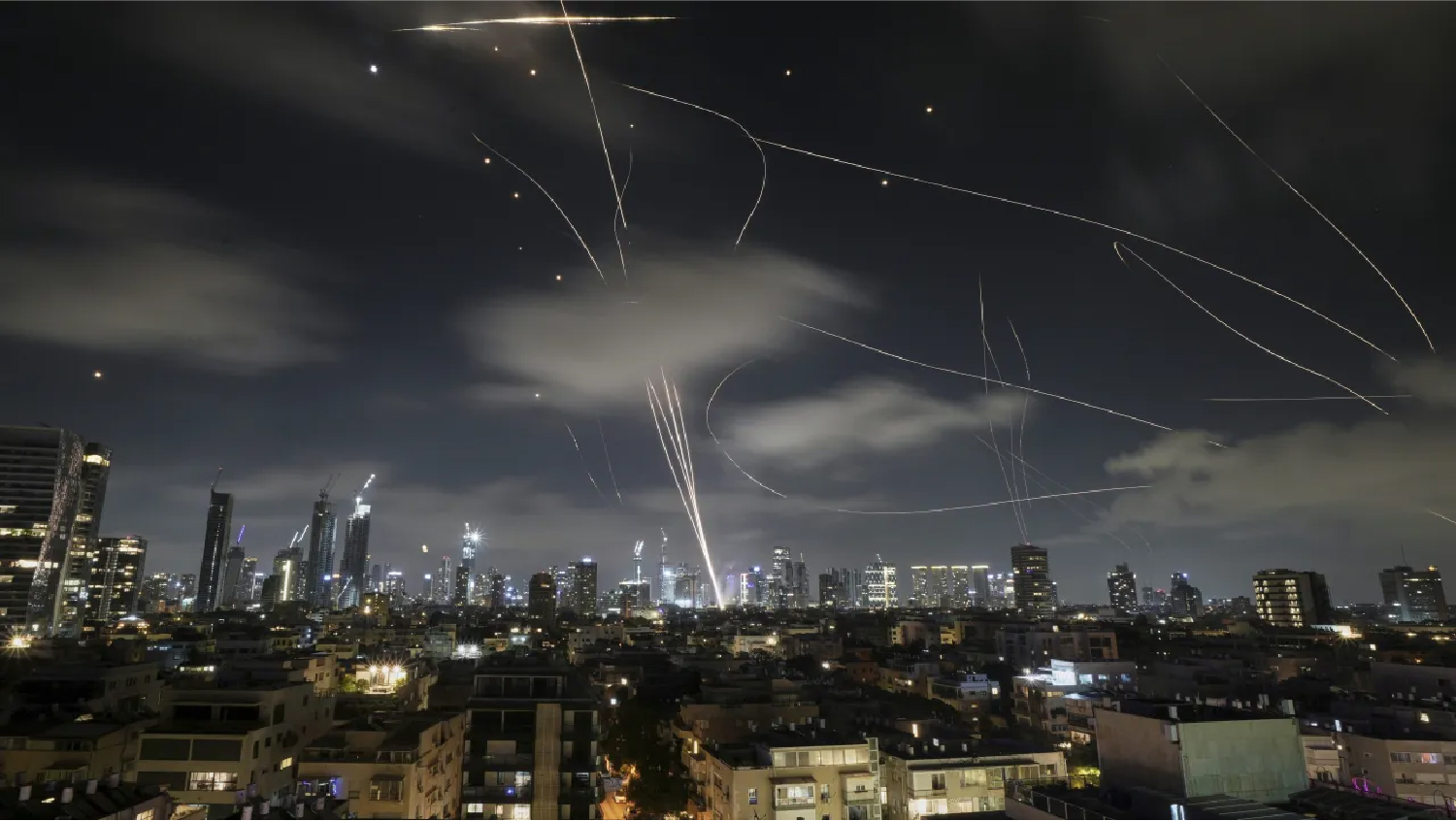
The Middle East stands at the edge of a dangerous precipice as tensions between Iran and Israel reach historic highs. With a web of proxy conflicts, direct military exchanges, and an escalating nuclear debate, the region finds itself in a state of fragile volatility. The world watches anxiously, asking a critical question: Is the Middle East heading toward full-scale war?
The Latest Spark: A Surge in Open Hostility
While Iran and Israel have been rivals for decades, recent months have seen a dramatic surge in overt hostility. Israel has intensified its strikes in Syria and Lebanon, targeting Iranian weapons shipments and Hezbollah operatives. Meanwhile, Iran has openly threatened retaliation for assassinations of key military figures and sabotage of nuclear sites, blaming Israel directly.
On April 13, 2024, Iran launched an unprecedented drone and missile attack on Israel, triggering a rare direct military response. For the first time in years, the possibility of open warfare—not just shadow conflict—became a grim reality.
Proxy Warfare: The Regional Powder Keg
Iran's strategic doctrine hinges on regional influence through powerful proxies:
- Hezbollah in Lebanon
- Hamas and Islamic Jihad in Gaza
- Houthis in Yemen
- Various Shiite militias in Iraq and Syria
These groups pose a multi-front threat to Israel. With Hezbollah holding over 150,000 rockets and Hamas emboldened after the Gaza conflict, the risk of simultaneous wars on multiple borders is more than theoretical.
Israel, in turn, has ramped up its airstrikes across the region—particularly in Syria—to disrupt Iranian supply lines and infrastructure. But the more aggressive the strikes, the more Iran retaliates, creating a dangerous cycle of escalation.
The Nuclear Question
At the heart of the Iran-Israel confrontation lies Iran’s nuclear program. While Tehran insists it is for peaceful purposes, Israel views it as an existential threat. Talks to revive the 2015 Iran nuclear deal (JCPOA) have failed, and Israel has signaled it will not hesitate to act unilaterally to prevent Iran from acquiring a nuclear weapon.
The situation mirrors the prelude to past regional wars—clear red lines, conflicting security doctrines, and international paralysis.
America’s Dilemma: Ally or Mediator?
The United States, a longtime ally of Israel and a historical adversary of Iran, finds itself in a strategic bind. While Washington has deployed additional forces to the Gulf and warned Iran against escalation, it also seeks to avoid being drawn into another regional war.
U.S. bases in Iraq and Syria have already been targeted by Iranian-backed militias, raising the stakes. Washington is walking a diplomatic tightrope: supporting Israel’s right to self-defense while urging de-escalation.
China's Calculated Silence
In contrast to American involvement, China has adopted a more muted but calculated stance. As Iran's major trading partner and a growing investor in Middle Eastern energy, Beijing is calling for restraint without condemning Iran’s actions.
Some analysts believe China’s recent mediation between Saudi Arabia and Iran may set a precedent for a more active peace-broker role. But for now, China is focused on maintaining regional stability for its economic interests, not on choosing sides.
Regional Fallout and the Bigger Picture
The wider Middle East is already feeling the heat. Gulf nations like Saudi Arabia, UAE, and Qatar are watching nervously, fearing spillover. Energy markets are jittery. Civilian casualties in Gaza and Lebanon have sparked humanitarian concerns.
If war breaks out between Iran and Israel directly, it will not remain a two-player conflict. Iraq, Syria, Lebanon, and even Yemen could become active battlefields. The involvement of global powers would make this conflict not just a regional disaster, but a global one.
What Lies Ahead?
While neither Iran nor Israel appears eager for a full-blown war, strategic miscalculations, rogue attacks, or political pressures could easily push both nations over the edge. The window for diplomacy is shrinking, and global leaders must act swiftly if a wider conflict is to be avoided.
The Middle East is not at war, but it is dangerously close.
About Realtime Brief:
At Realtime Brief, we cut through the noise to deliver sharp, fact-based geopolitical analysis. Stay with us for continuous updates on international affairs and regional tensions.
Post a comment

0 comments